
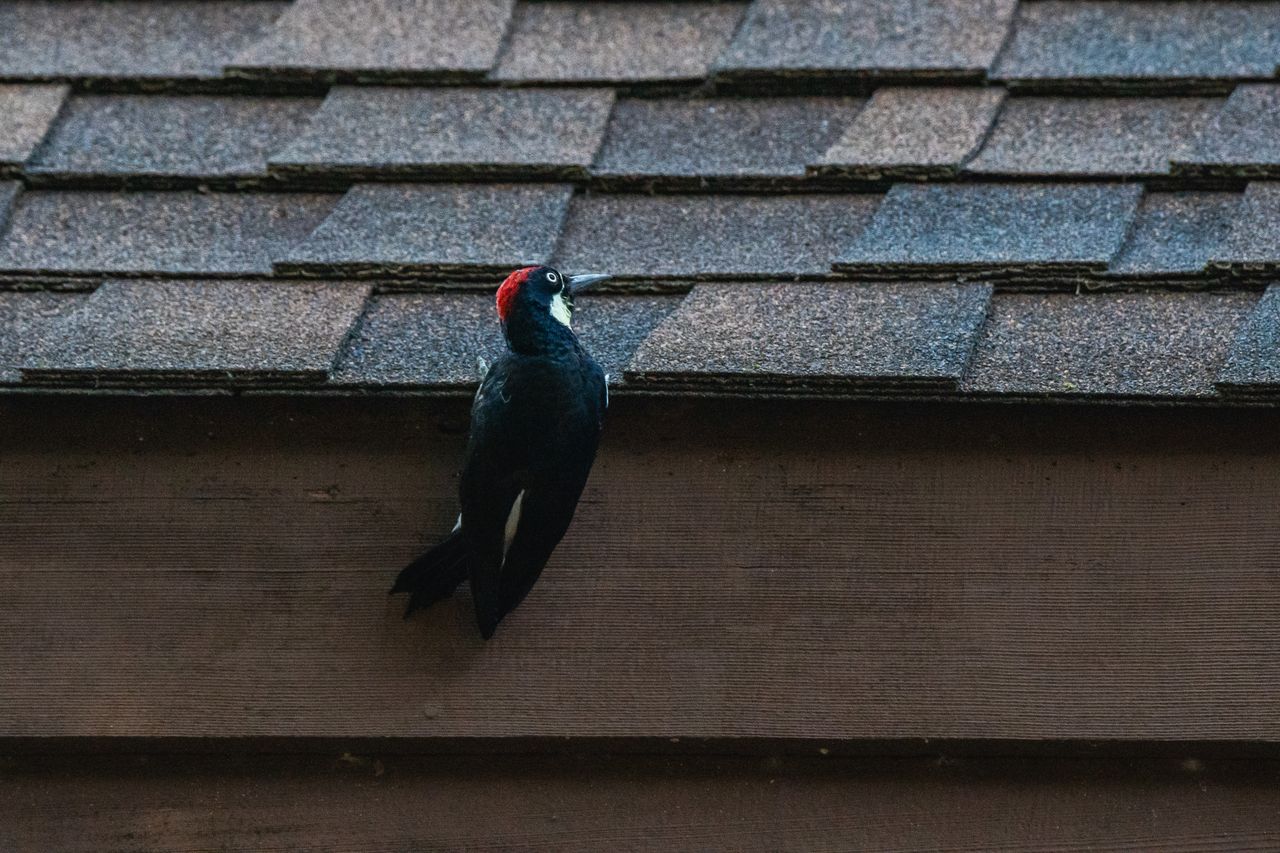
It is far easier to prevent woodpecker damage than to repair it. Once a bird marks your siding as a favourite spot, it tends to come back. A few smart steps now can protect your home for years.
Prevention works best as a mix of tactics. This guide covers the deterrents, barriers, and upkeep that keep woodpeckers off your walls for good.
Why Woodpecker Prevention Matters
A small hole today can become a big problem tomorrow. Open holes let in rain and pests, which turns a cosmetic issue into rot and costly repairs.
In Calgary, the Northern Flicker is a persistent visitor. Stopping the damage early saves your siding and your wallet, and it spares you the yearly battle.
Prevention also protects your home’s value. Clean, undamaged siding keeps the exterior looking cared for, which matters whether you plan to stay or sell.
Common Areas Woodpeckers Target
Woodpeckers favour a few predictable spots. Knowing them tells you where to focus your defences.
Soft wood siding, fascia boards, and corner trim are top targets. Birds also love anything that echoes, like hollow trim, metal flashing, and gutters, which they use for loud drumming.
Upper corners and spots under the eaves see the most action. Walk around your home and note where past pecking appears, since those are the areas to protect first.
Using Visual Deterrents and Reflective Materials
Woodpeckers are wary of movement and flashing light. Visual deterrents play on that instinct, making your wall feel unsafe.
Hang reflective tape, old discs, or shiny rods near the problem area. Predator decoys, like a plastic hawk or an owl with moving parts, add another layer of woodpecker prevention for homes.
Move the deterrents around every few days. Birds learn fast, so a decoy that never moves soon stops working.
Installing Bird Netting and Physical Barriers
When deterrents are not enough, barriers block access entirely. This is the most reliable way to protect a spot the birds keep returning to.
Hang bird netting a few inches out from the wall, so beaks cannot reach the siding. For smaller areas, lightweight metal sheeting or hardware cloth over the spot works well.
Make sure the netting is taut and well anchored. A loose edge gives a determined bird a way in.
Choose weather-resistant materials for a Calgary winter. Netting and fixings need to hold up through wind, snow, and freeze-thaw without sagging or coming loose.
Maintaining Siding, Fascia, and Trim
A well-kept exterior is far less tempting. Fill any existing holes promptly, since an open hole invites more pecking and can become a nest.
Seal cracks, repaint worn boards, and keep fascia and trim in good shape. A smooth, painted surface draws far less interest than bare or damaged wood when you want to stop woodpeckers pecking siding.
Addressing Insect Infestations That Attract Woodpeckers
Often the real target is not the wood, but the bugs inside it. Carpenter bees, ants, and larvae are a feast that keeps birds coming back.
If pecking follows a clear pattern of small holes, check for insects. Treating the infestation removes the food source, which is one of the surest ways to protect the house from woodpeckers over the long term.
A pest professional can confirm what is living in the wood. Clearing the bugs often stops the pecking on its own, since the bird loses interest.
Choosing Humane and Wildlife-Compliant Deterrents
Any prevention plan must be humane and legal. In Alberta, woodpeckers are protected under wildlife law, so harming them is not allowed.
Stick to non-lethal methods only, like deterrents, netting, and upkeep. These protect your home and the birds at the same time, which keeps you on the right side of the rules.
When to Consider Professional Exterior Repairs
Some damage is past a simple patch. Deep holes, soft wood, or repeat visits are signs it is time to call a pro.
A specialist can repair or replace the damaged siding, then add proper bird-proofing. That combination fixes the problem and helps make sure it does not return.
Professional repairs also match the finish, so the fix blends in. A patched, well-sealed wall is both stronger and far less tempting to the next woodpecker.
Frequently Asked Questions
What is the best way to prevent woodpecker damage?
The best approach combines several tactics. Use visual deterrents, add netting or barriers over favourite spots, keep your siding well maintained, and treat any insects. No single trick works alone, but together they are highly effective.
Do bird deterrents actually stop woodpeckers?
They can, especially when combined and moved regularly. Reflective items and predator decoys work best as part of a wider plan with netting and good siding upkeep. Woodpeckers adapt quickly, so variety and consistency are key to success.
Is it legal to remove or harm woodpeckers in Alberta?
No. Woodpeckers are protected under wildlife law in Alberta, so harming them is illegal. Prevention must stay humane and non-lethal, using deterrents, barriers, and repairs. These methods protect your home without putting the birds at risk.
Protecting Your Home With Long-Term Prevention
Lasting protection comes from a layered plan, not a single gadget. Combine deterrents, barriers, good upkeep, and pest control, and keep woodpeckers guessing. A little effort now spares you a lot of repair later.
Dealing with repeat woodpecker visits? Alberta Pargin’s woodpecker damage repair service can repair the damage and bird-proof your Calgary home.
Want a hand protecting your exterior? Contact the Alberta Pargin team or call 587-917-7095 for an inspection.
